
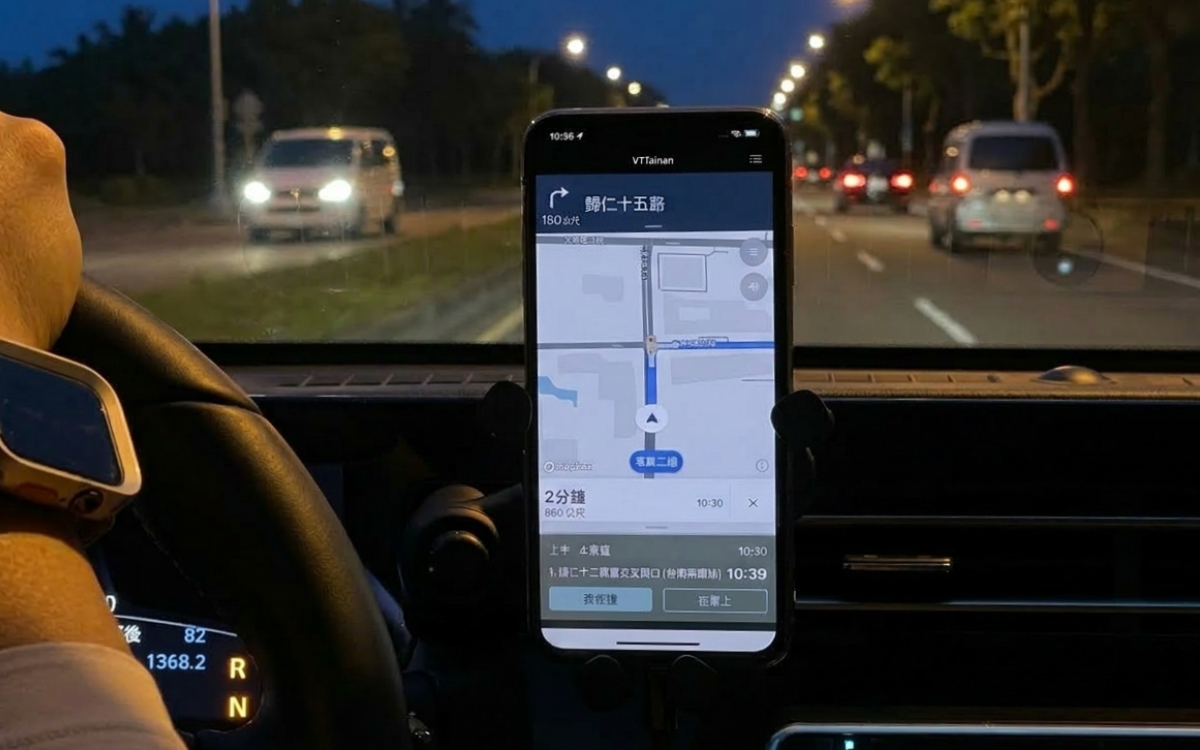
Tainan: When Mobility Becomes Part of Everyday Life

This video takes us to Tainan to show how Shotl becomes part of everyday life for people and communities. From office workers moving between meetings to families managing school routines, students commuting daily, and seamless connections to high-speed rail — Shotl supports mobility where it truly matters: in real life.
Through the voices of government representatives and users, we see how on-demand shared transport offers more than convenience. It brings predictability, saves time, reduces the need for private vehicles, and helps people move comfortably even in challenging conditions such as heat or rain. In areas where traditional public transport options are limited, Shotl fills a critical gap with a service designed around real routines and daily needs.
This operation in Tainan is made possible thanks to the close collaboration with < strong > Itochu Techno-Solutions and partner, whose commitment allows the service to run smoothly every day. We would also like to thank the Tainan City Government for their support and trust in Shotl, enabling us to demonstrate how flexible, on-demand mobility can serve communities in real time.
Finally, our sincere thanks go to the passengers and testimonials who shared their experience on camera and made this video possible. Their stories and daily journeys are the true reflection of what mobility can achieve when it is designed around people.
At Shotl, these real-world collaborations inspire us to keep building mobility solutions that are reliable, human-centered, and ready to scale.
Interested in bringing Shotl to your city or operation?
Contact us at hello@shotl.com and let’s explore how Shotl can make a difference together.
Popular posts

27.05.19
An Innovative Citizen-led Bus Service in Switzerland
A local on-demand pilot in Herzogenbuchsee, Switzerland that is run by volunteers and operates via a fully electric-fleet, including a rickshaw, is now using Shotl’s platform under the umbrella of the project flow on demand.
Darian Heim

27.06.22
On-demand buses for events and conventions
Shotl offered a free DRT service for all attendees to the Catalan Mobility Day, which is organized annually by the Association of Municipalities for Urban Mobility and Transport (AMTU). During the event, a vehicle connected Reus commuter train station,
Roger Cumeras

27.11.23
On-demand bus complements traditional fixed routes
Sant Cugat boasts three distinct DRT operations that work in tandem with the train line and traditional buses on a fixed route and schedule.