
How to Make People Trust (and Keep Using) On-Demand Transport Services

Demand-Responsive Transport (DRT) is much more than technology — it’s a service people have to trust with their time and daily routines. If riders don’t feel the system is reliable, transparent, and fair, even the most sophisticated algorithm won’t save the project.
Here’s how successful DRT operations turn first-time users into loyal, repeating passengers.
Trust starts with transparency
The number-one fear of new users is simple: “Will the vehicle actually come?”
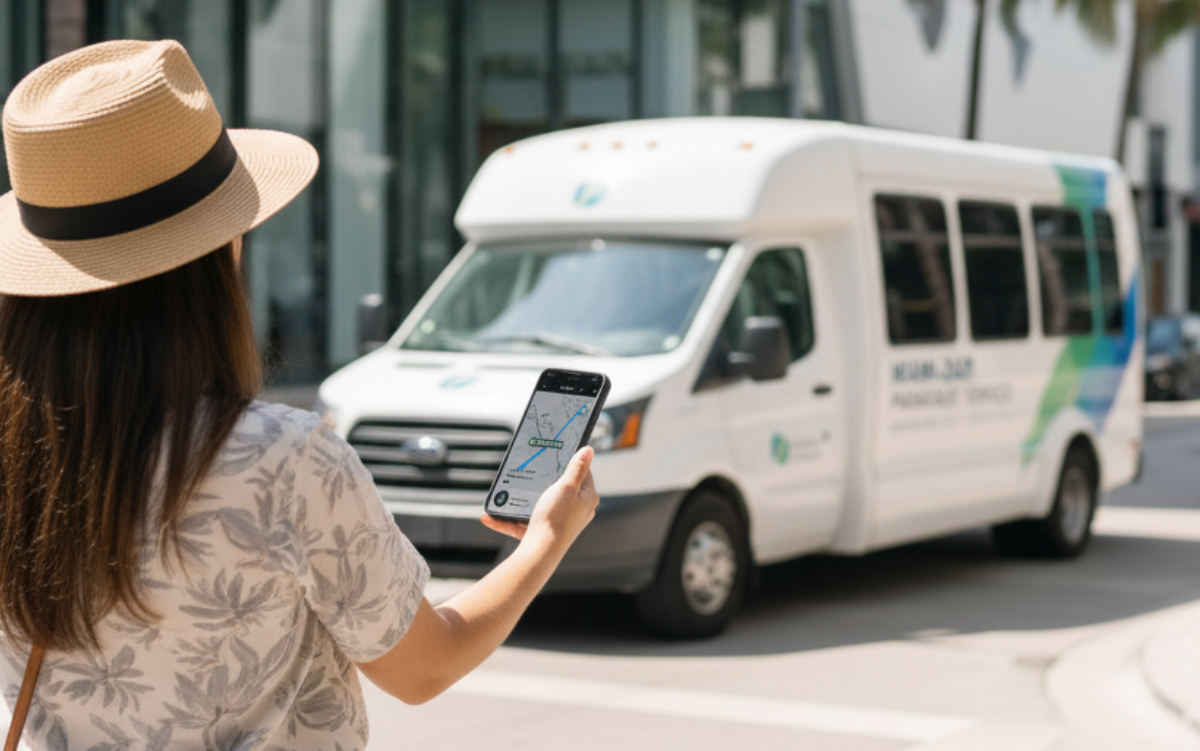
That’s why real-time information is absolutely essential: passengers need accurate estimated times of arrival (ETAs) that update live, clear driver identity, the exact pickup point pinned on the map, and live tracking so they can watch the vehicle approaching in real time.
When passengers can see exactly what’s happening, anxiety drops and trust grows fast — much faster than with traditional fixed-route services.
A passenger app that removes friction
A great user experience is the fastest way to turn occasional riders into regulars. The passenger app should be intuitive and inclusive of users with low digital literacy.
Features that really make a difference include saving home and work addresses plus ride history, one-tap repeat bookings, a multilingual interface with accessibility options, in-app chat or a “call me back” button for instant help, and simple post-ride ratings and feedback.
These seemingly small details are what transform a single trip into a long-term daily habit.
Consistent performance = strong reputation
Nothing undermines trust like variability. If wait times fluctuate dramatically or bookings are frequently denied, users will turn back to more familiar (if less convenient) options. That’s why Shotl monitors service-level KPIs such as:
- Booking success rate
- Actual vs promised pickup time
- Driver punctuality
Real-time monitoring allows operators to spot issues early and keep quality high every single day.
Communicate clearly when things change
DRT services may evolve in scope or configuration—new zones, new hours, new rules. What matters most is that users aren’t surprised. Regular, multi-channel communication (app, SMS, signage, social media) ensures that changes are not just implemented, but understood and accepted.
Trust Beyond the App
Building user trust also means being reachable. Integrating a human support line, a community outreach effort, or ambassadors in the field creates a safety net for hesitant users—especially those with accessibility needs or digital limitations.
Trust Is Earned, Not Assumed
Launching a DRT system is just the beginning. Building and maintaining trust requires listening to users, solving problems quickly, and consistently delivering on the promise of flexible, fair transport.
Conclusion
Trust isn't an add-on to DRT—it’s the foundation. When people believe in the system, they use it, recommend it, and help it grow. Shotl is built with this philosophy at its core.
Let’s talk about how to make your DRT service trusted and loved.
Popular posts

25.11.19
Shotl Receive Mobility City Entrepreneur of the Year Award 2019
We are excited to announce that Shotl have received the Mobility City Entrepreneur of the Year award.
Sílvia Coronado

29.06.20
Think Globally, Move Locally
There aren’t many upsides to the Covid-19 pandemic but increased social cohesion is one. Now, it’s time to build on it, extending our concern to local communities and ensuring they can adapt and survive the new normal.
Osvald Martret

29.07.24
Enhancing accessibility in Shotl: a commitment to inclusivity
At Shotl, we believe technology should be accessible to everyone. Our mission is to create an inclusive experience that empowers all users, regardless of their abilities.